


Monday’s seminar programme put two speakers back-to-back — not as rivals for the same booking, but as a study in two very different ways of funding tourism marketing. Sally Everton, Director of Visit Devon, presented “Devon is Heaven.” Peter Hannaford of Discover South Carolina followed.
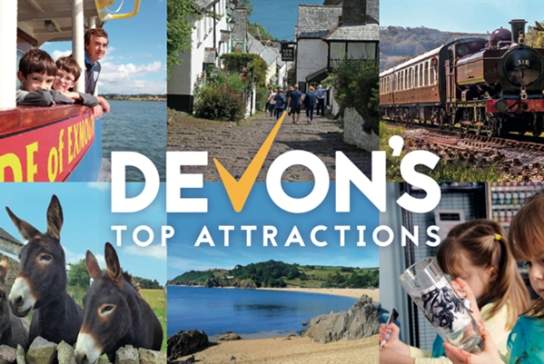
Sally’s pitch for Devon — championship links at Saunton and Royal North Devon, paired with the coastline and hospitality that turns a golf trip into a proper holiday — landed well with delegates. She spoke with real passion, extolling Devon’s virtues from the heart and backed it up with real, practical detail on accessibility. After the event, Sally commented that “it was a pleasure representing Visit Devon at the 2026 Golf Tourism England Convention at Saunton Sands Hotel. The event was a great opportunity to showcase the exceptional golf offering across Devon and the wider South West, and to strengthen relationships with UK and international golf travel professionals as we continue to grow this important sector for our region.”
But underneath the pitch sat a quieter reality: There is no dedicated public funding behind Sally, no tourism board writing the cheque — every appearance like this one has to be earned individually, year after year, alongside the day job of running Visit Devon. On the surface, it was a pitch about Devon’s golf and hospitality. What became clear underneath it, though, was just how different the funding situation was from the one Peter was about to describe.
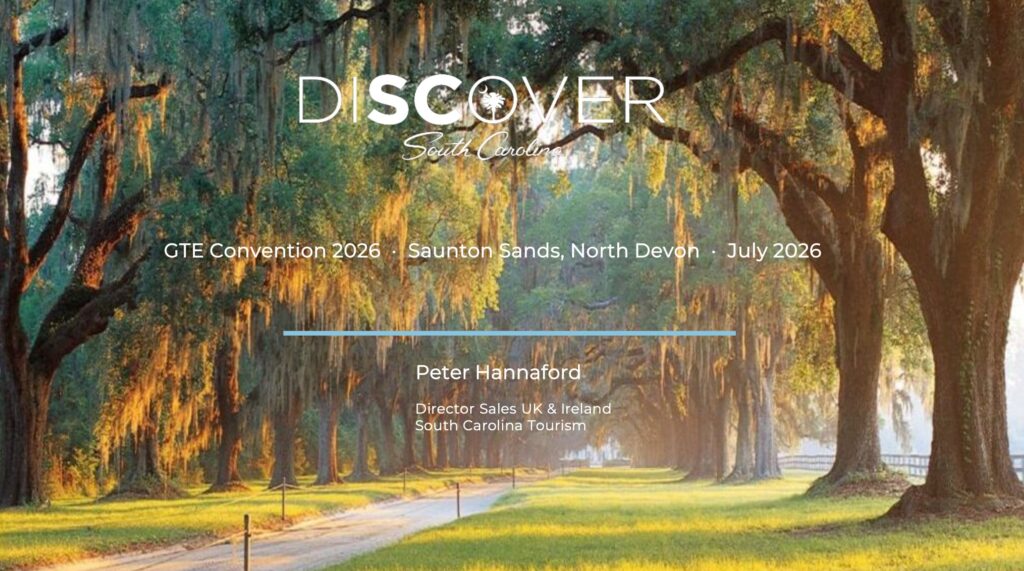
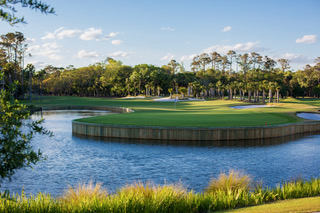
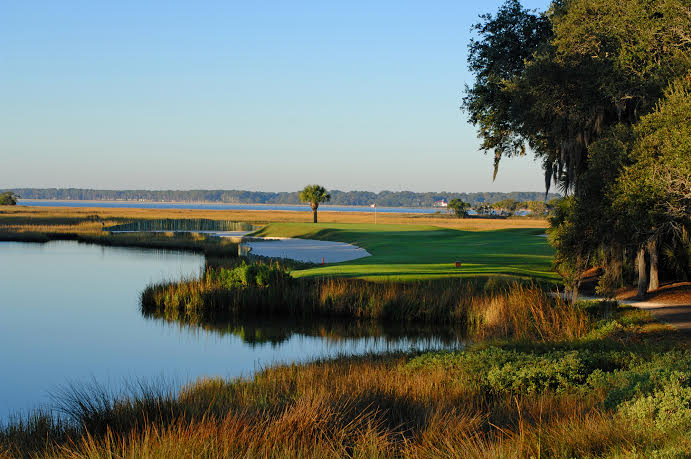
Peter’s session showed the opposite model: a structured, institutional walkthrough rather than a personal pitch. SCPRT funds South Carolina’s tourism marketing as public policy, and works through Travel South USA to pool resources with eleven neighbouring states, with golf treated as a deliberate international pillar backed by more than 300 courses, including Hilton Head’s Harbour Town, home of the RBC Heritage, and the Ocean Course at Kiawah Island. South Carolina hardly needs the introduction — it is already a thriving, well-established golf holiday destination in its own right. Yet it promotes itself anyway, systematically and internationally, as if nothing can be left to chance — and the more tourists it attracts, the more funding its tourism board receives to attract the next wave. It’s the opposite instinct to Devon’s: one region markets what barely needs selling, backed by a self-reinforcing budget, while the other struggles to fund the case for a destination that arguably needs the promotion more.


Put side by side, it was a funded machine versus one passionate woman who achieves a lot with little backing behind her. It raises a real question about how governments value tourism as economic development: South Carolina funds international golf marketing directly because of the jobs and visitor spend it generates. Devon’s golf economy delivers that same value to a UK region, yet has to make its own case, unfunded. Thanks to Sally and to Peter for two standout sessions.