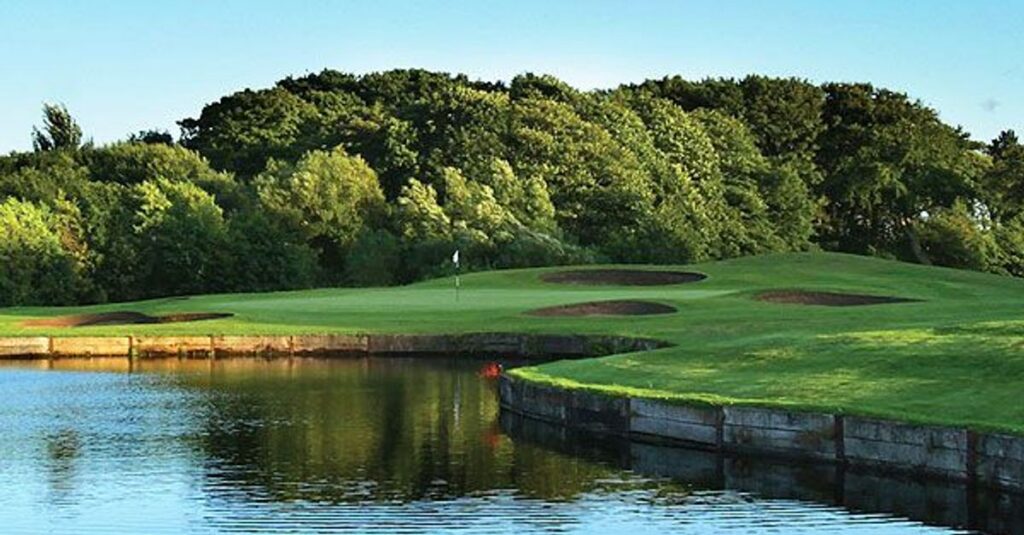

The 2026 Masters will be remembered for Rory McIlroy’s remarkable back-to-back triumph — joining Tiger Woods, Nick Faldo and Jack Nicklaus as the only men to successfully defend the Green Jacket — but for England’s golf community, the tournament offered its own reasons for quiet satisfaction. Tyrrell Hatton recorded a third-place finish, shooting a six-under 66 on both Friday and Sunday for his best-ever Masters result, while Justin Rose also featured prominently on the leaderboard. Behind them, Matt Fitzpatrick, Tommy Fleetwood and Danny Willett all made the cut at Augusta, reinforcing just how strong the current generation of English professional golfers has become.
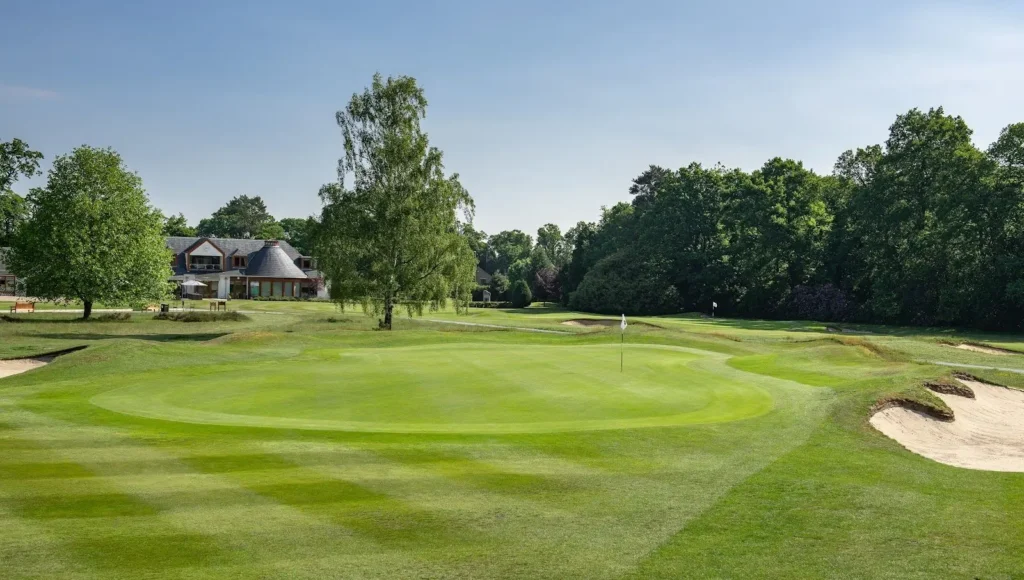
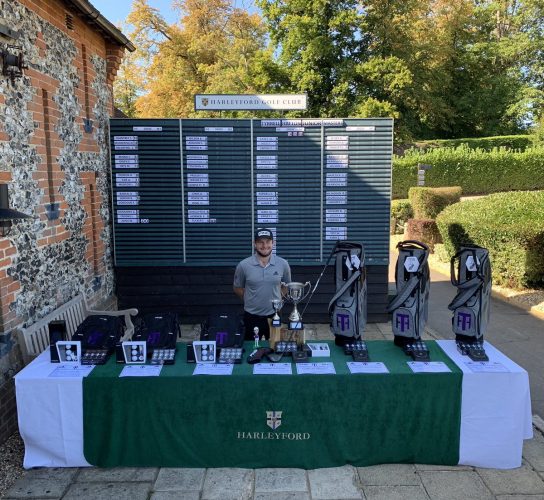
It is a generation shaped, in many cases, by a handful of English clubs that will be familiar to any serious student of the game. Tyrrell Hatton has been a member of Harleyford Golf Club in Buckinghamshire since the age of 11, and it was there that he represented England and GB&I teams and qualified for the 2010 Open Championship at St Andrews as an 18-year-old amateur. Matt Fitzpatrick grew up playing at Hallamshire Golf Club in Sheffield, where he began honing his game at the age of nine — the same heathland course, overlooking the Peak District, that also helped shape Danny Willett. Tommy Fleetwood grew up in Southport and learned to play at Formby Hall, a stone’s throw from Royal Birkdale, where he will play The Open this July. Justin Rose grew up in Hampshire and settled at North Hants Golf Club in Fleet, a Harry Colt-designed heathland layout that opened in 1904 and has dedicated a room in the clubhouse to its most famous member.
The question worth asking — and one the golf tourism industry has not yet fully answered — is whether international visitors want to follow that trail. Is there an appetite, particularly among golfers who travel to England specifically to experience the game’s heritage and landscape, to visit the courses that produced the players they watch on tour?

Formal research on this niche barely exists. The academic literature on golf tourism focuses overwhelmingly on destination choice, expenditure patterns and environmental impact. But the broader sports tourism world offers a useful parallel. Fans of football, cricket and rugby regularly travel to the grounds, academies and hometowns associated with the players they admire. The emotional connection to place — the idea of standing on the same ground where a champion first developed their game — is a well-established travel motivator in almost every other sport. Golf has been slower to articulate and package it. Hollywood Golf Club has certainly achieved global recognition as a result of Rory’s success, but how many extra green fees have materialised?
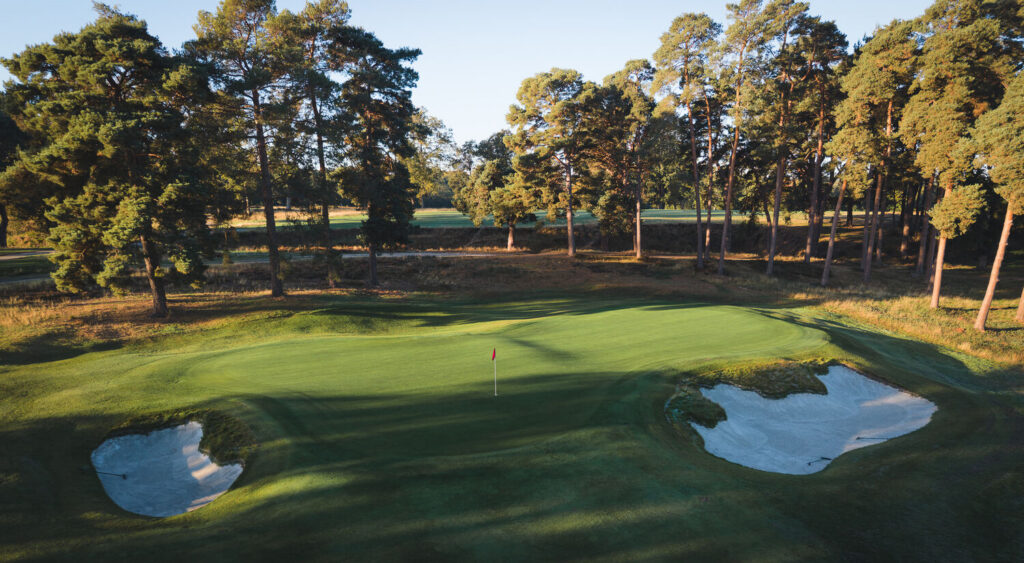
The evidence from the courses themselves suggests the appetite is real, even if quietly expressed. Hallamshire is rated one of the top 100 courses in England — a Colt-designed heathland layout in immaculate condition with superb greens — a course that would stand on its own merits on any English golf itinerary, regardless of its famous alumni. North Hants, similarly, is a genuine heathland gem in a region rich with Surrey and Hampshire courses. Harleyford sits in the Thames Valley. Formby Hall is, of course, on England’s Golf Coast, minutes from Royal Birkdale itself. These are not second-tier curiosities: they are fine golf courses that happen to carry an extraordinary extra dimension for the well-informed visitor.

The opportunity for tour operators is to weave these connections into itineraries explicitly — not as a gimmick, but as a layer of narrative that gives a golf trip genuine depth. A week that takes in Hallamshire and the Sheffield golfing story, or Formby Hall alongside Royal Birkdale during Open year, or North Hants as part of a Hampshire and Surrey heathland trail, becomes something richer than a simple list of great courses. It becomes a story about where English golf comes from — and why, in 2026, it is producing players capable of finishing in the top three at Augusta.
Golf has always sold itself on heritage. The difference now is that England’s heritage is not just historical — it is current, visible and winning on the biggest stages in the sport. The players whose careers began on these courses are not legends from another era. They are the players that we are following at majors. The clubs that shaped them are open for visiting golfers to play. That is a story worth telling, and an itinerary worth building.
Golf Tourism England believes this is an underexplored angle for England’s international market, and one that the current generation of English players — more visible globally than any since the Faldo era — makes more relevant than ever.