There are some golf courses in England that never really leave the consciousness, even when they slip quietly out of public view. Stoke Park is one of them. Closed to the public for the past four years, its recent return to the golfing circuit is genuinely significant—and Andrew Cooke’s visit confirmed that this Harry Colt classic has lost none of its magic.
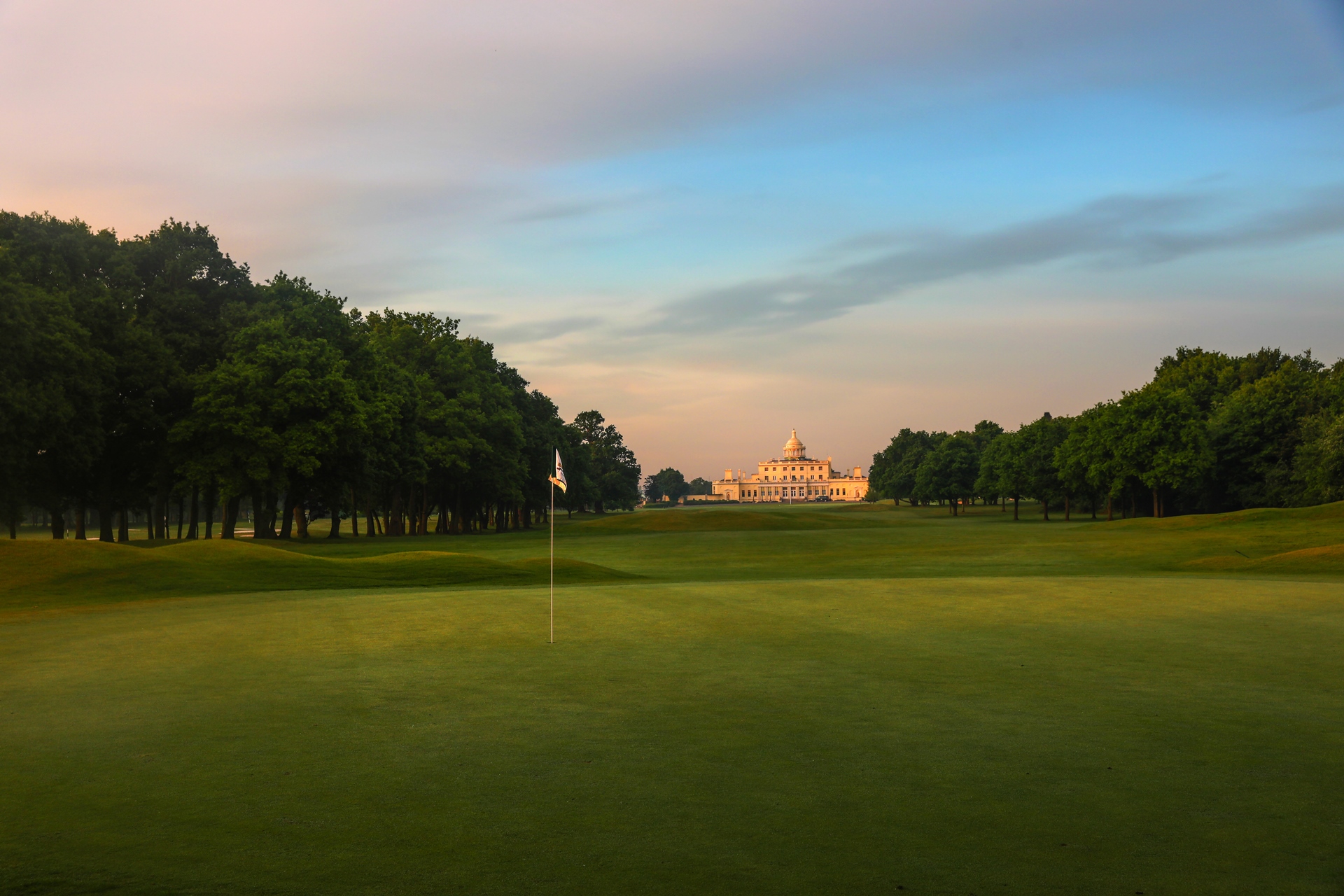
Approaching Stoke Park along its sweeping driveway, you are immediately transported into a different England. This is a place steeped in heritage, where the landscape feels curated rather than constructed. It is little surprise that the estate has long doubled as a film set, most famously hosting the iconic golf match between James Bond and Goldfinger in Goldfinger, but also featuring in cult favourites such as Layer Cake. Even today, there is a sense that you are walking through a living, breathing piece of cinematic history.
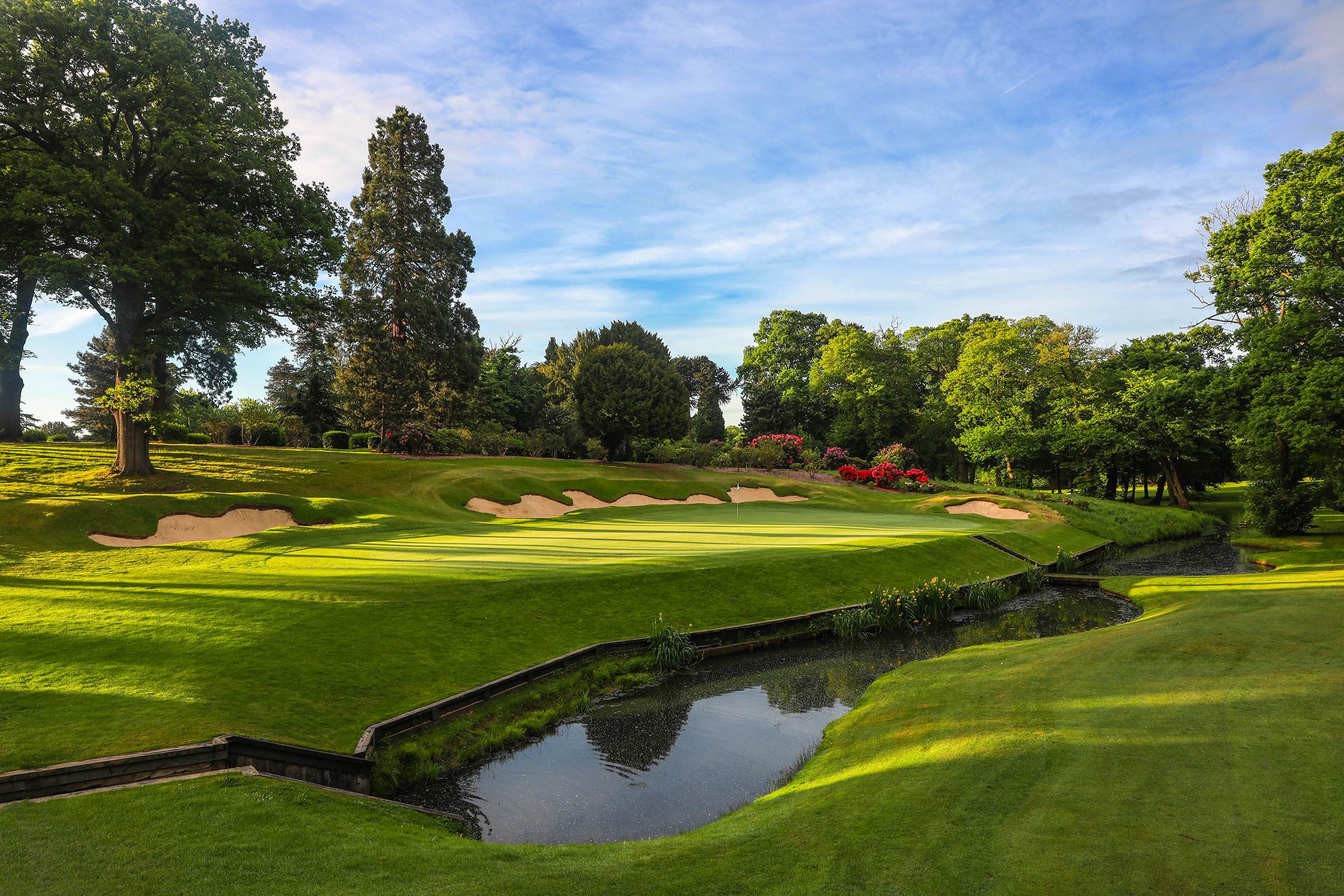
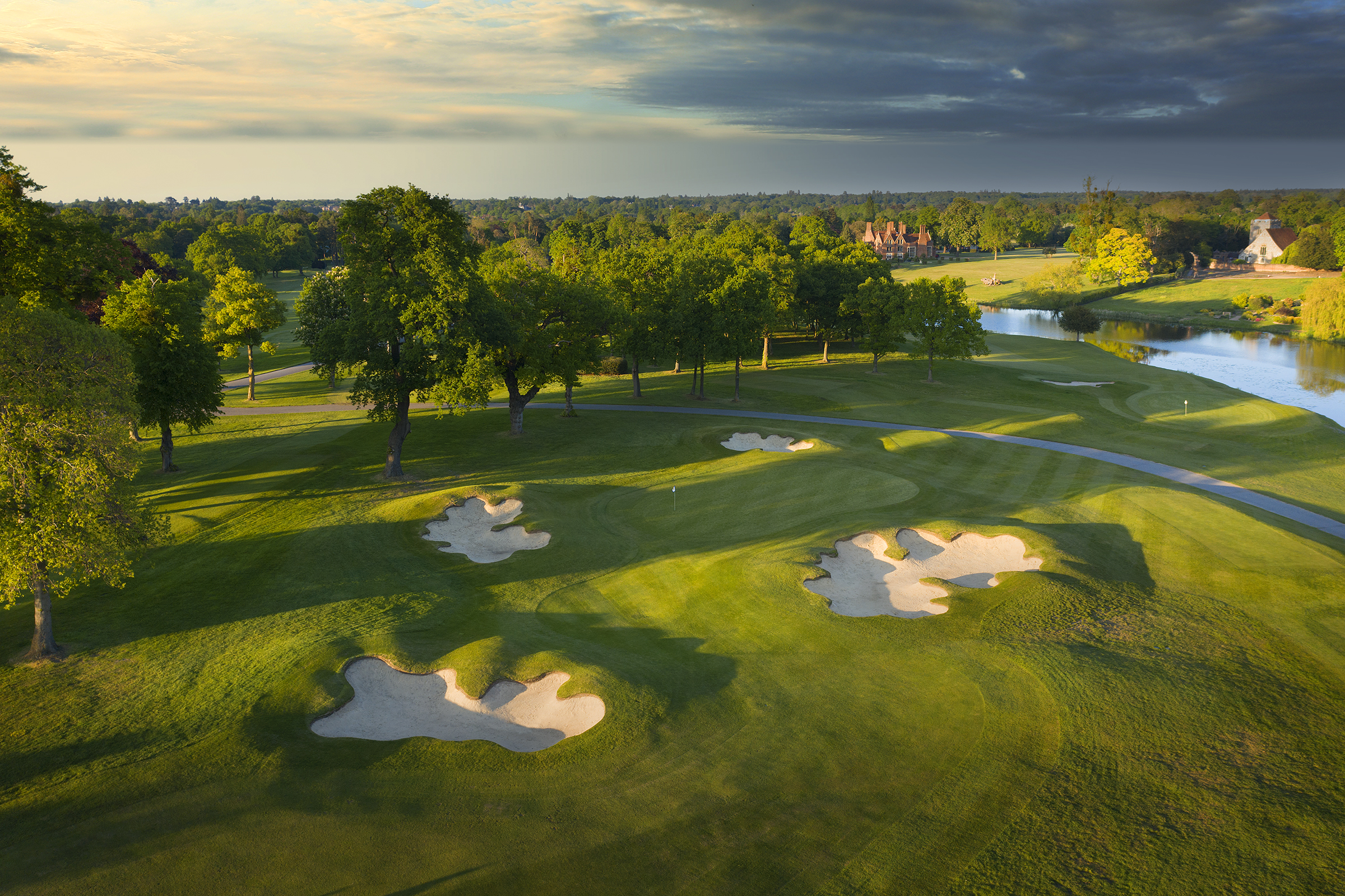
At the heart of the experience is the golf course itself. Designed by Harry Colt, the layout remains beautifully intact, having been carefully retained in pristine condition during the club’s period of closure. The result is a tranquil, spacious parkland course that feels wonderfully removed from the bustle of the nearby M4 corridor and M25. The greens are excellent, the fairways framed by attractive woodland, and the overall presentation speaks to restraint rather than excess—classic Colt values executed with care.
One of the most striking aspects of Stoke Park’s reopening is its approach to access, it is open for green fees and offers what can best be described as a private members’ club experience. With only four tee times per hour, rounds unfold at an unhurried pace. It is the kind of golf that feels indulgent without being ostentatious — “millionaire’s golf” in the truest sense of the phrase.
The temporary clubhouse is another pleasant surprise. Positioned beside the practice range, warm-up area and first tee, it outperforms many permanent clubhouses elsewhere, offering comfort, efficiency and a strong sense of arrival without distracting from the course itself.
For Golf Tourism England, Stoke Park’s return is particularly welcome. This is a course that resonates with international visitors not only because of its architectural pedigree, but also because of its cultural footprint. It tells a story that goes beyond golf—of English landscape design, of film and popular culture, and of understated luxury just outside the capital.
Andrew Cooke’s visit reinforced a simple truth: Stoke Park has not been reinvented, because it did not need to be. Instead, it has been carefully preserved and quietly reintroduced, allowing the course—and its remarkable setting—to speak for themselves once again. For visiting golfers seeking a memorable round close to London, this is a classic reborn, and a timely reminder of just how rich England’s golfing heritage really is.